
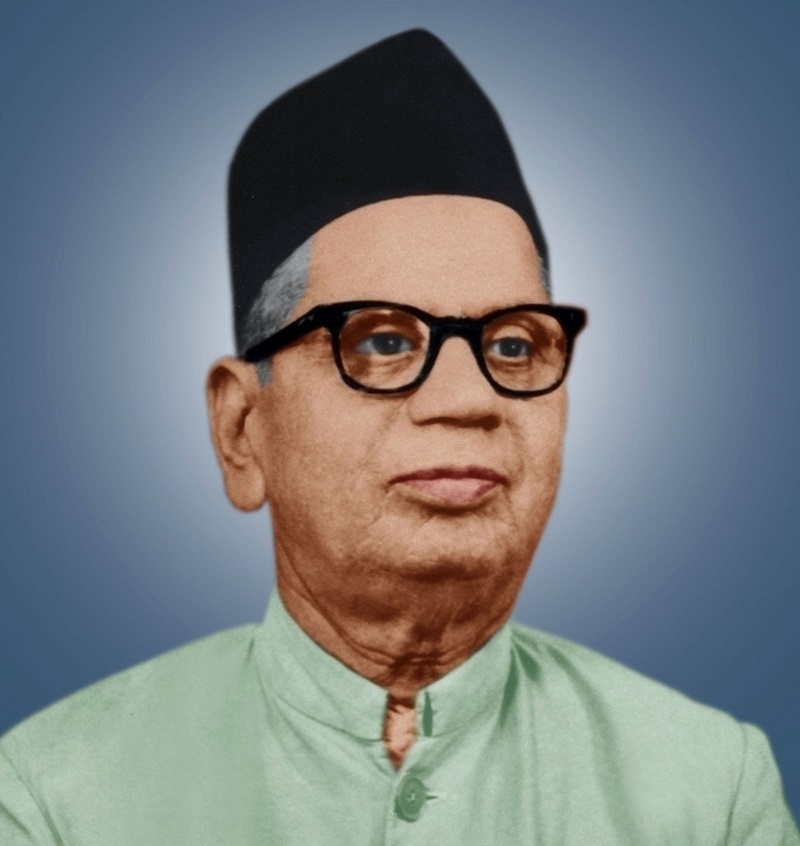
Welcome To Zoology Department
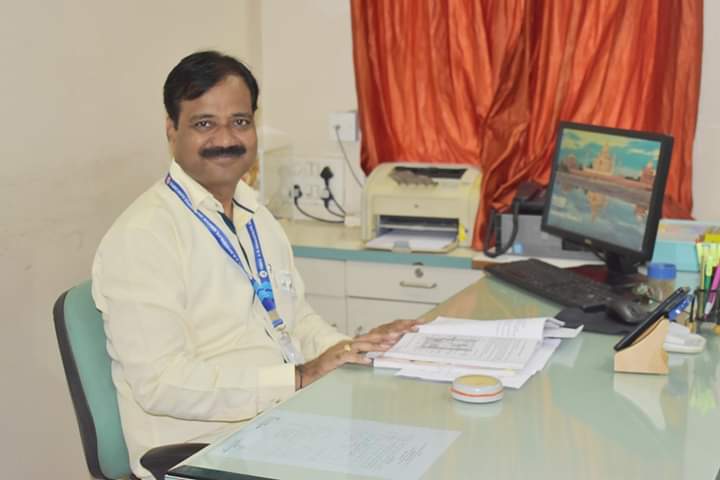
'Specious HOD cabin'
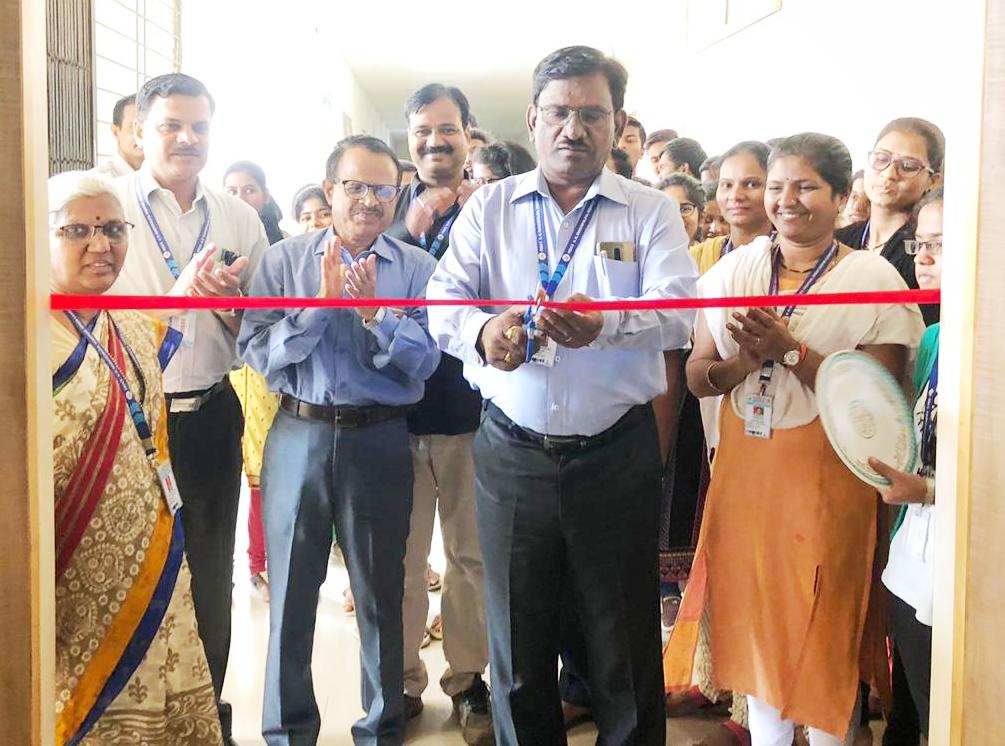
'Inauguration of model exhibition by the auspicious hands of Honourable Principal Dr Pandit Shelke'
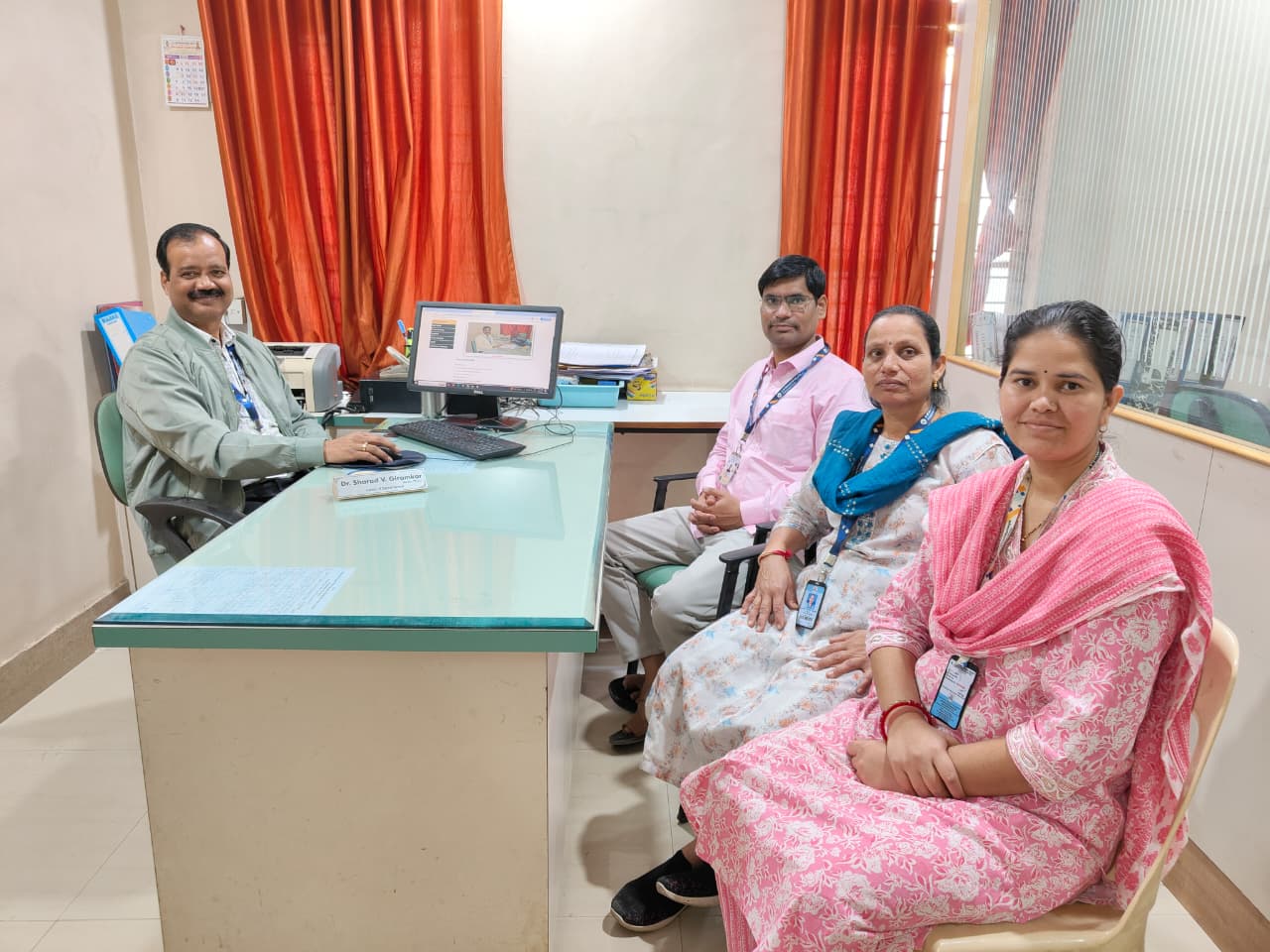
'Zoology Staff Photo'
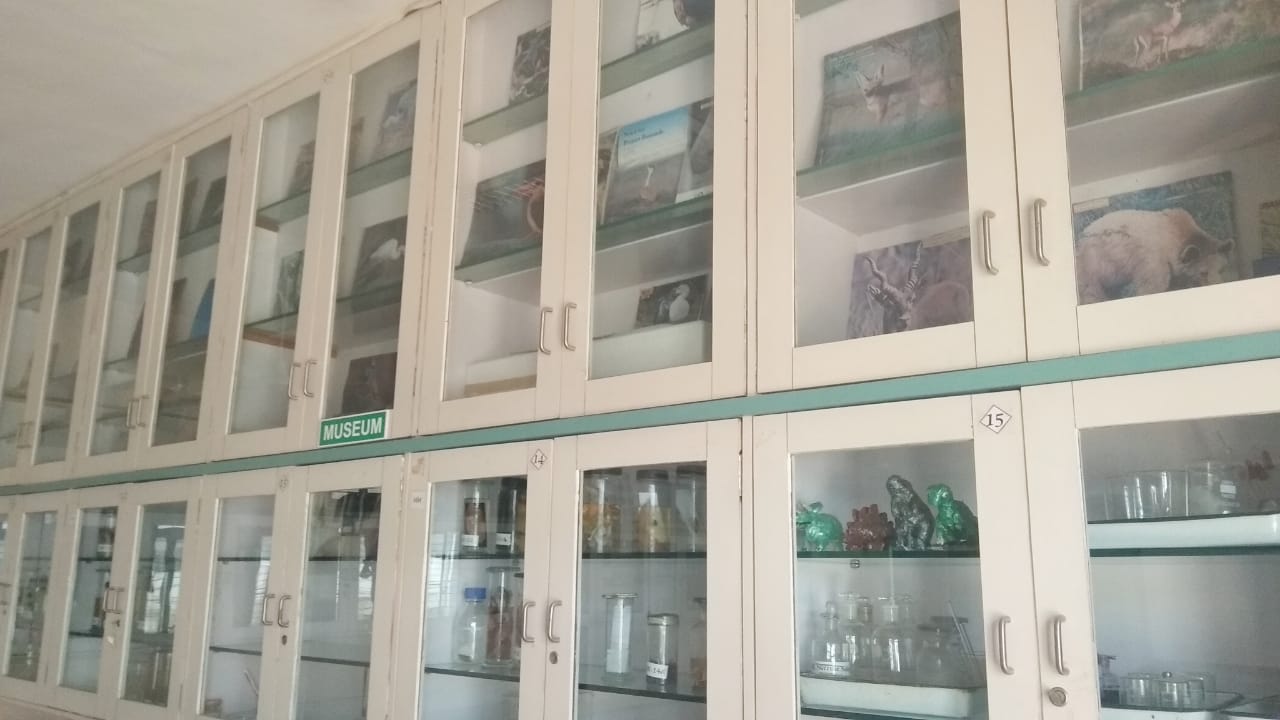
'Display of museum'
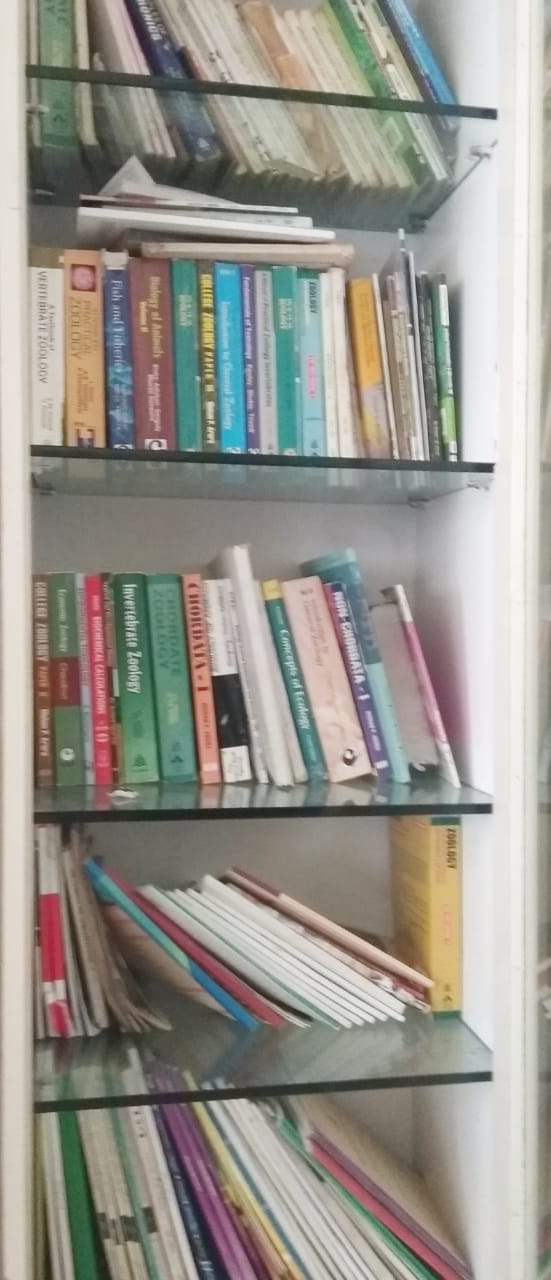
'Departmental Library'
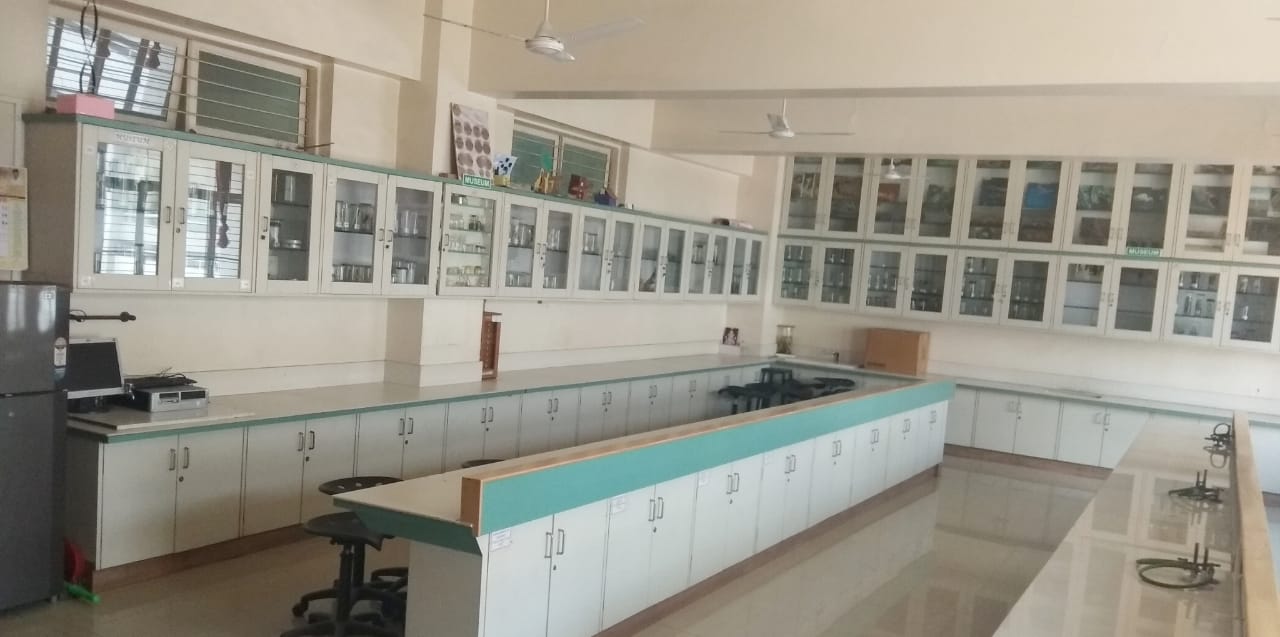
'Specious and well equipped laboratory-1 '
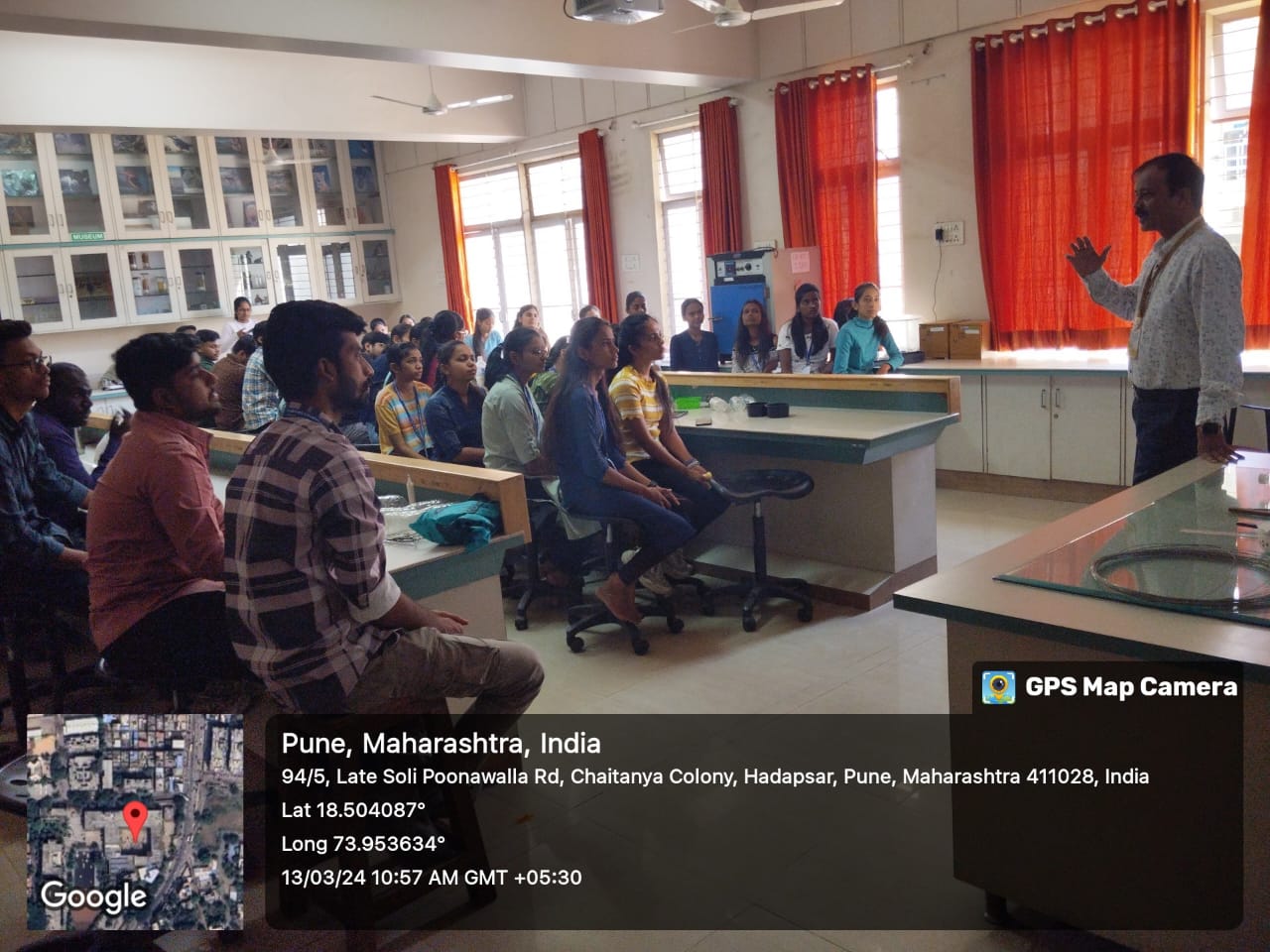
'Specious and well equipped laboratory-2'
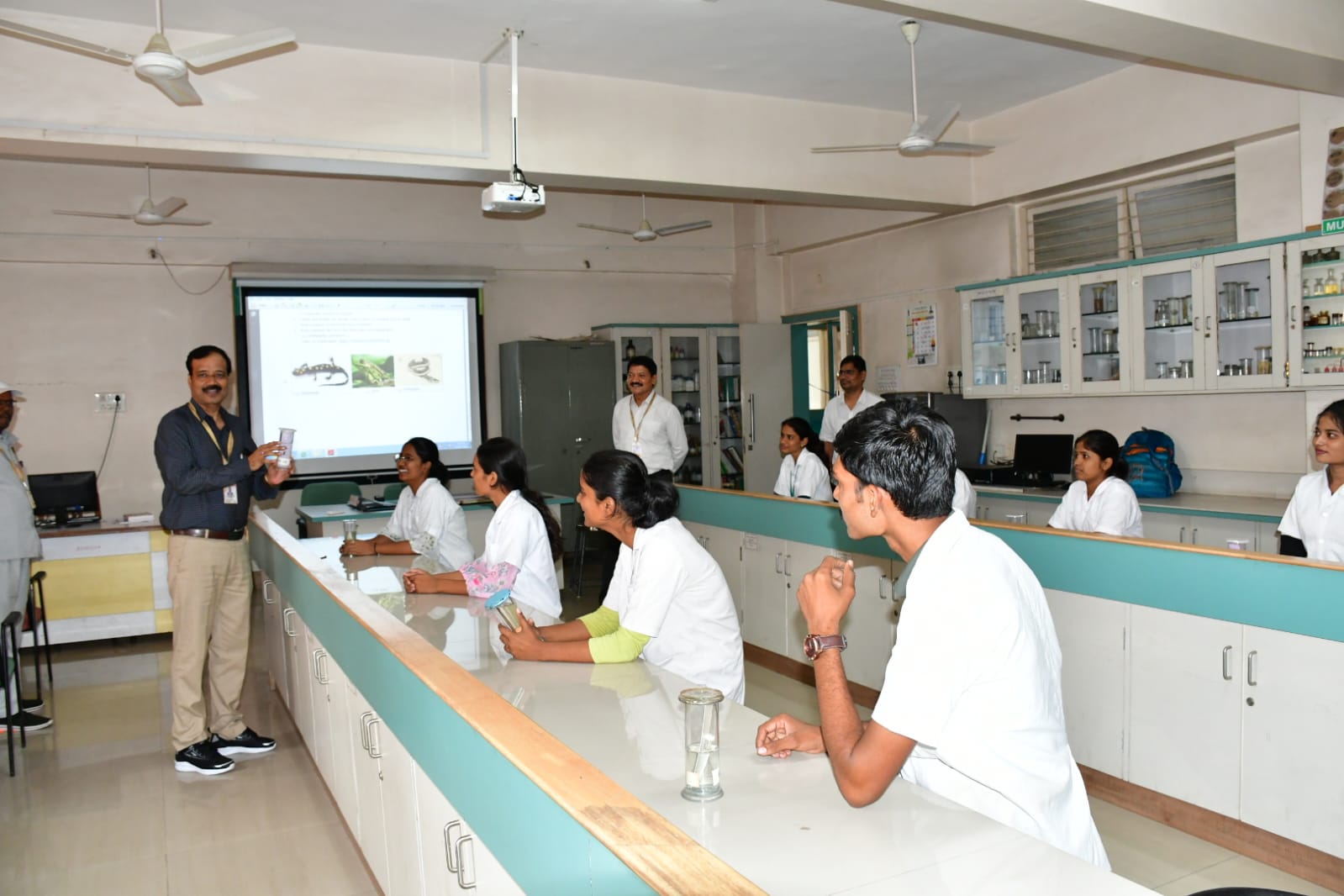
'Zoology Laboratory photo'
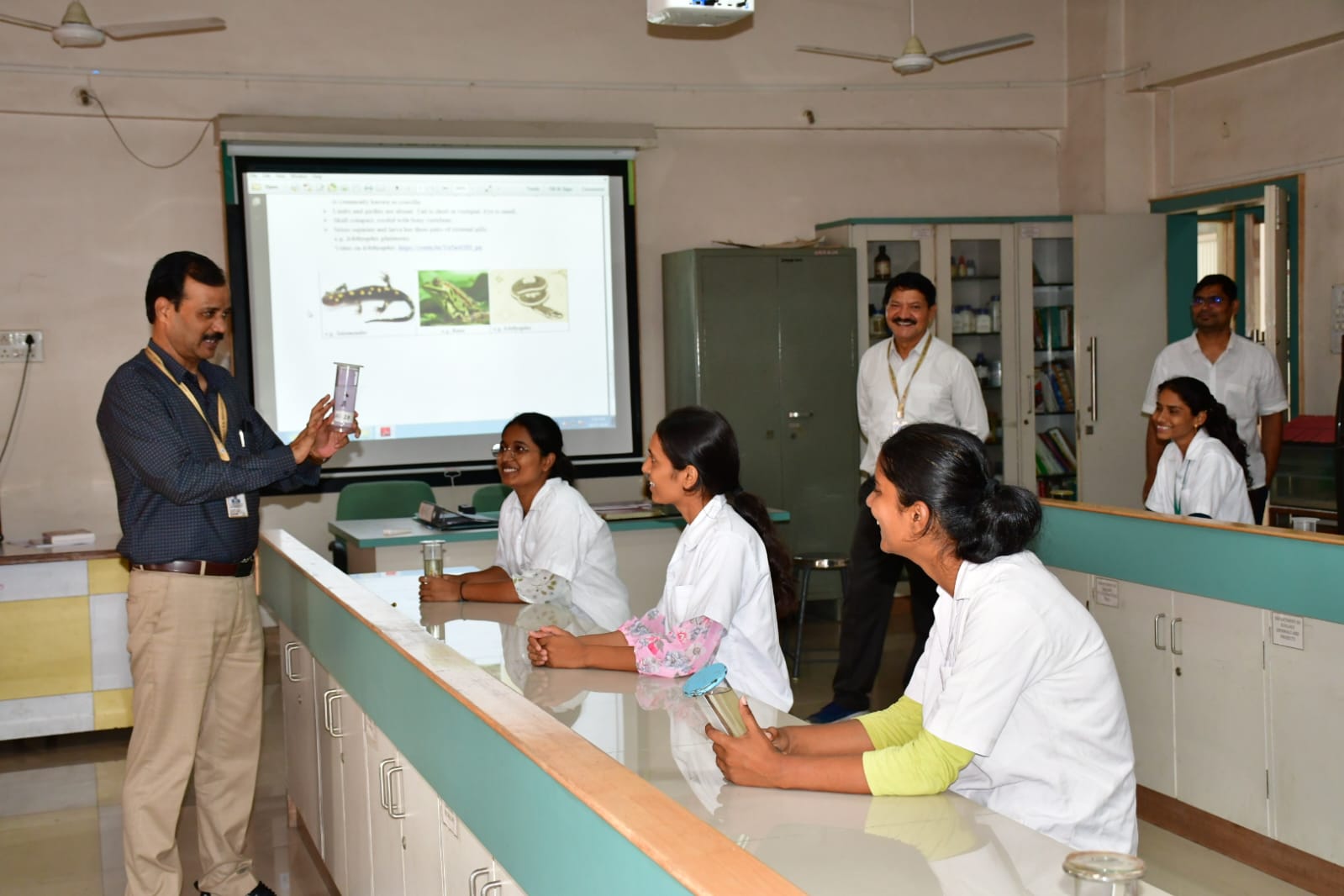
'Zoology Laboratory photo'
.jpeg)
'Zoology Laboratory photo'
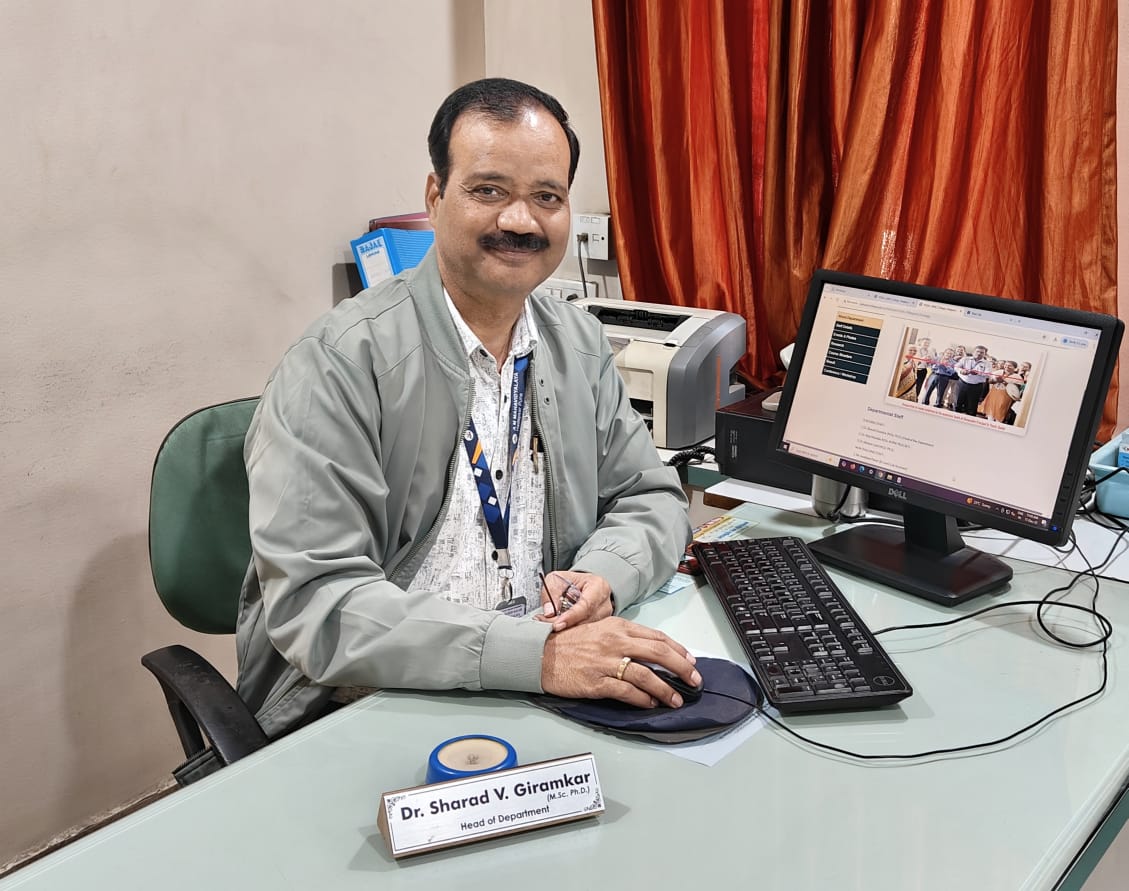
'Zoology HOD cabin'
Departmental Staff
TEACHING STAFF:
1. Dr. Sharad Giramkar (M.Sc. Ph.D.) (Head of the Department)
2. Dr. Mahesh Joshi (M.Sc. Ph.D.)
3. Dr. Sunita Khedekar (M.Sc. Ph.D.)
4. Mrs. Rekha Shinde (M.Sc. SET, NET)
NON-TEACHING STAFF:
1. Mr. Narayan Khomane (M. A.) Lab Attendant
Profile of the Department:
The Department of Zoology was established in 1986 and offers education in both classical and applied aspects of the subject. The Department is headed by Dr. Sharad Giramkar and is supported by a team of highly qualified and experienced faculty members, including Dr. Mahesh Joshi, Dr. Sunita Khedekar, and Mrs. Rekha Shinde.
Dr. Sharad Giramkar is a recognised Ph.D. research guide in Zoology and Environmental Science at Savitribai Phule Pune University, Pune, and is also a member of the IUCN (Commission on Ecosystem Management).
The Department conducts undergraduate courses up to the T.Y.B.Sc. level. It is well equipped with a wide range of zoological specimens, slides, instruments, equipment, and chemicals to support effective teaching and practical training. To fulfil regional and societal needs, the Department has taken initiatives to start short-term courses in Beekeeping and Vermiculture.
The Department aims to provide a supportive, inclusive, and academically stimulating environment for staff, students, and visitors. We value every member of the Department and continuously strive to enhance the quality of education and learning outcomes.
Vision:
Departmental Vision
-
To develop scientific temper and research aptitude among students.
-
To create awareness about nature, biodiversity, and environmental sustainability.
-
To empower youth for social transformation through quality education.
-
To inculcate moral, ethical, and civic values for responsible citizenship.
-
To respond to changing societal needs through liberal and inclusive education.
-
To provide non-formal and community-oriented educational services.
Mission of the department:
-
To ensure the holistic development of students through quality education and skill enhancement.
-
To enable students to contribute effectively to their personal growth and the welfare of society in the dynamic and changing era.
Facilites provided by the Department:
Facilities Provided by the Department
-
Two well-equipped and fully digitalised laboratories.
-
All laboratory equipment is labelled with QR codes containing detailed information.
-
Highly qualified, experienced, and dedicated teaching staff.
-
Supportive and cooperative non-teaching staff.
-
Internet and ICT facilities for academic and research activities.
-
Availability of major instruments and equipment, including:
-
VIS Spectrophotometer
-
Colorimeter
-
pH Meter
-
Centrifuge
-
BOD Incubator
-
Gel Electrophoresis Units (Vertical and Horizontal)
-
Research Microscope
-
Stereo Microscopes
-
Binocular Dissecting Microscopes
-
-
Teaching–learning aids such as charts, models, slides, and specimens.
Area of Research:
Animal Physiology, Entomology, Developmental Biology, Parasitology, Arachnology, Enviromental Science